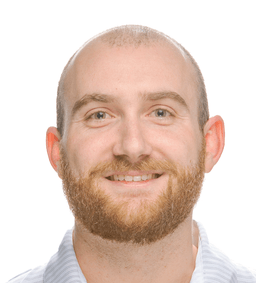
Reed IandoloIndependent advisory
Washington, DC · Remote
Most nonprofits and associations on Salesforce have the platform but not the picture. Data lives in too many places, reports don't match, and nobody fully trusts the numbers. Tell me your biggest issue, I'll review it, and you'll get a clear plan to fix it, carried out by someone who knows the platform and the data model.
Members, donors, accounts, households, relationships. Structured to hold up as you grow, with the duplicates and dead fields cleared out.
Reports and dashboards built on clean data, so the numbers match across teams and nobody rebuilds them in a spreadsheet.
Membership, giving, events, and engagement on one record, so staff stop hunting across systems.
Moving off legacy systems and connecting the tools you keep, without losing your history.
Renewals, follow-ups, and handoffs that run on their own instead of living in someone's inbox.
Most orgs use a fraction of what Salesforce can do. I find the rest before anyone suggests buying another tool.
Most nonprofits run Salesforce with whoever is available: an admin, someone who inherited it on top of their real job, or a contractor working through tickets. They work hard, but the system rarely gets the technical depth or direction it needs, so problems pile up and the platform never quite delivers.
For what you're spending now, or less, you get someone who sets the direction and does the work. I lead technology at a CRM consultancy and have led and worked on hundreds of CRM projects, so I know what works, what doesn't, and what a healthy system should look like. I hold a stack of Salesforce certifications too, though the experience is what counts. I'm as comfortable with your leadership as I am in your data, and if you have an admin, I work alongside them and help them grow.
And honestly, I like this work. Nonprofits rarely attract the most technically capable people, which leaves good organizations held back by their systems. Closing that gap is good business, and it's one of the most direct ways I know to help a mission go further.
Technical architect for a national workforce-training nonprofit. Moving them off a legacy system into Salesforce, which saves multiple six figures a year in licensing, many times over the one-time build. Along the way, getting far more out of the platform and finding new parts of the business it can take on.
Built the first version of a startup's core product. The app their customers install to sync their data with Salesforce. They've kept building on it since.
Tell me the biggest issue with your Salesforce or your data. The report nobody trusts, the duplicates, the migration that keeps slipping.
I go through your org, your data, and how your team actually uses it, and find what's really causing the problem.
You get a written plan: what to fix, in what order, what it takes, and what it's worth.
I carry out the plan myself, and you see progress as each piece lands.
Pricing comes from the plan, so you know the scope and the cost before any work starts.